Blister packing: who needs it, and how does it work?
Sunday evening, seven boxes on the kitchen table, and with the small white tablet the question of whether it has already been taken today.
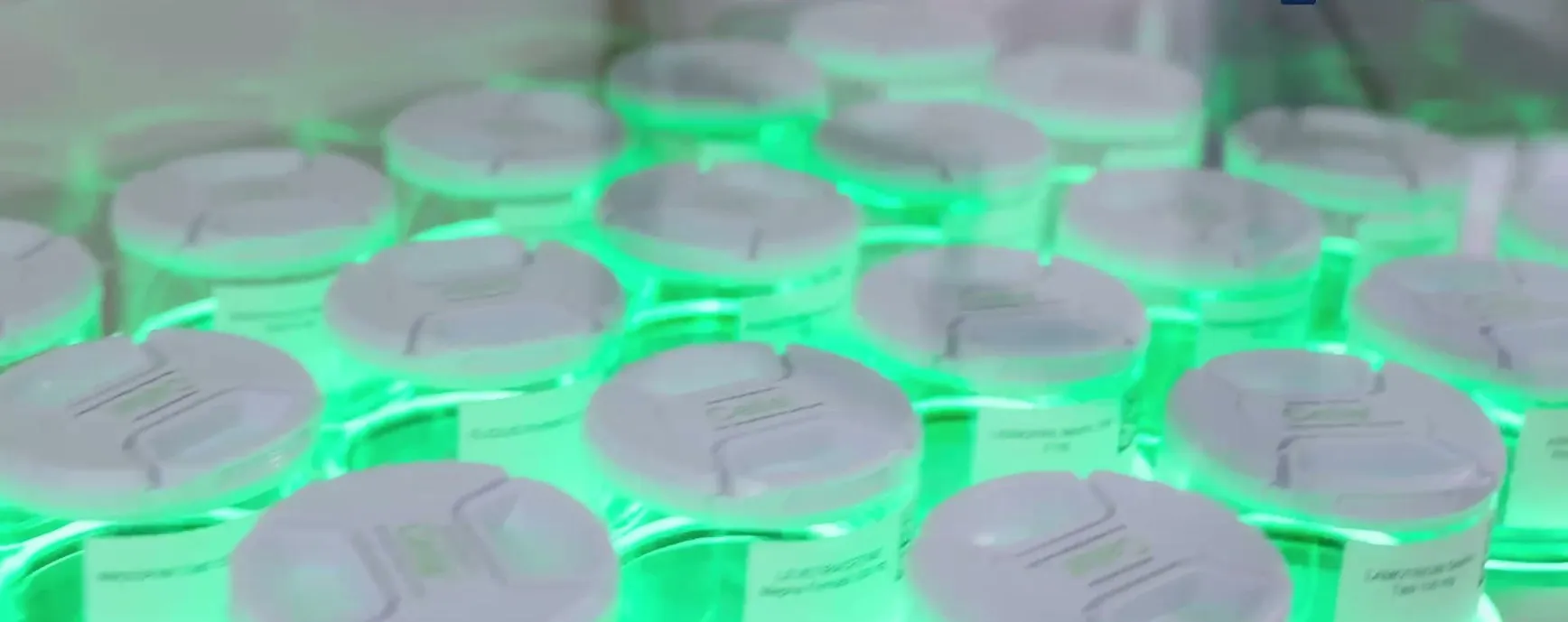
What is blister packing anyway?
With blister packing, medicines are pre-sorted by day and time of day and sealed individually. Each compartment contains exactly the tablets and capsules that are due at that one moment. On every compartment it says who it is for, for which day and for which time.
Instead of seven boxes there are then seven strips ready. You tear off the strip for Tuesday morning, and the question “have I already taken that?” no longer arises, because you can see it.
This is not a new medicine and not a different dosage. It is the same therapy the doctor prescribed, just packaged differently.
The difference to a pill box
Most people know the plastic weekly pill box, with seven compartments and a lid that springs open in transit. It does the same job – as long as somebody fills it correctly.
That is where the difference lies. The pill box is filled by a person, usually on a Sunday evening, usually while doing something else, often with seven open boxes on the table. The blister is filled by machine and then checked, and on every compartment it says in black and white what is inside. If a tablet is missing or there is one too many, you can see it.
The second difference concerns changes. With the pill box, a new prescription means: open everything, re-sort, hope you have not mixed anything up. With the blister it means a phone call.
| Pill box | Weekly blister | |
|---|---|---|
| Filling | by hand, usually at home | by machine at the pharmacy |
| Labelling | none | name, day and time on every compartment |
| Checking | none | every dose checked and documented |
| Changes | re-sort everything | one phone call, applies from the next blister |
From the counter
It is usually not the people concerned themselves who ask about blister packing, but relatives, the doctor’s practice or the home care service. The first two questions are almost always the same: how does it work, and what does a blister look like?
Who gets the most out of it
The rule of thumb: from three long-term medicines it gets hard to keep track, and from five it becomes error-prone. Concretely, these people benefit:
- people who take several medicines at different times of day
- relatives who are thinking ahead for someone and currently fill the pill box on Sundays
- people after a hospital stay whose medication has just been changed
- anyone for whom eyesight or fine motor skills make handling small tablets difficult
Blister packing does not make sense for medicines taken as needed, for drops, sprays or ointments, and for preparations that may not be taken out of their original packaging. Such remedies stay separate.
Why missed doses go unnoticed
The honest answer first: blister packing makes nobody healthier. It makes sure that the therapy that was prescribed actually arrives the way it was meant.
That sounds like little and it is the whole point. Missed doses and mix-ups are more common with several long-term medicines than people think, and usually nobody notices. A blood pressure medicine that is missed three times a month produces no symptoms. It does not hurt, you notice nothing – the blood pressure simply is not controlled. At the next appointment the doctor sees a value that does not fit, and nobody knows whether the dose is too low or whether the tablet was simply not taken.
Blister packing closes gaps like that. Not because it is cleverer, but because you can see from the empty compartment what happened.
The second effect concerns relatives. Anyone carrying a parent’s medication around in their head has part of their week taken up by it: the preparing, the asking, the checking. Handing that task over is often more of a relief than expected.
From the counter
What changes for people: no more medicine boxes at home, simple taking, no long preparation of their own.
How to get started
The route there is short: a conversation in which the medication plan is gone through together, then a one-off setting up, then it runs weekly.
How that works with us in practice, what health insurance covers and how to sign up is on the blister packing page. For care homes and institutions there is a separate process; more on that under blister packing for care homes.
As of August 2026. Information on cost coverage according to the provisions of compulsory health insurance; the assessment is made individually.
Managing director and qualified pharmacy technician, with further training in biochemistry according to Dr Schuessler and the Bach flower training of the Bach Centre. A training supervisor and examination expert – anyone who wants to do their apprenticeship with us is guided by her.
Professionally reviewed by our qualified pharmacists. This article does not replace a medical diagnosis.
Frequently asked questions about blister packing
Do I have to change my prescription or go to a different doctor?
No. Your prescription stays as it is. We simply package it differently.
What happens if I go away?
Let us know and we will prepare the blisters for the period of the trip in advance. For flying they belong in hand luggage.
Can I take something else as well?
Yes, but tell us. Over-the-counter remedies and food supplements can also interact with your medication. That is one of the reasons why it helps when everything runs through one place.
Will I then only get my medication from you?
For the blistered ones yes, because they are put together here. Everything else you can get wherever you like.
What about medicines that may not be blister-packed?
Those stay in their original packaging and are included with the weekly package. We note them on the plan so that they do not get lost.
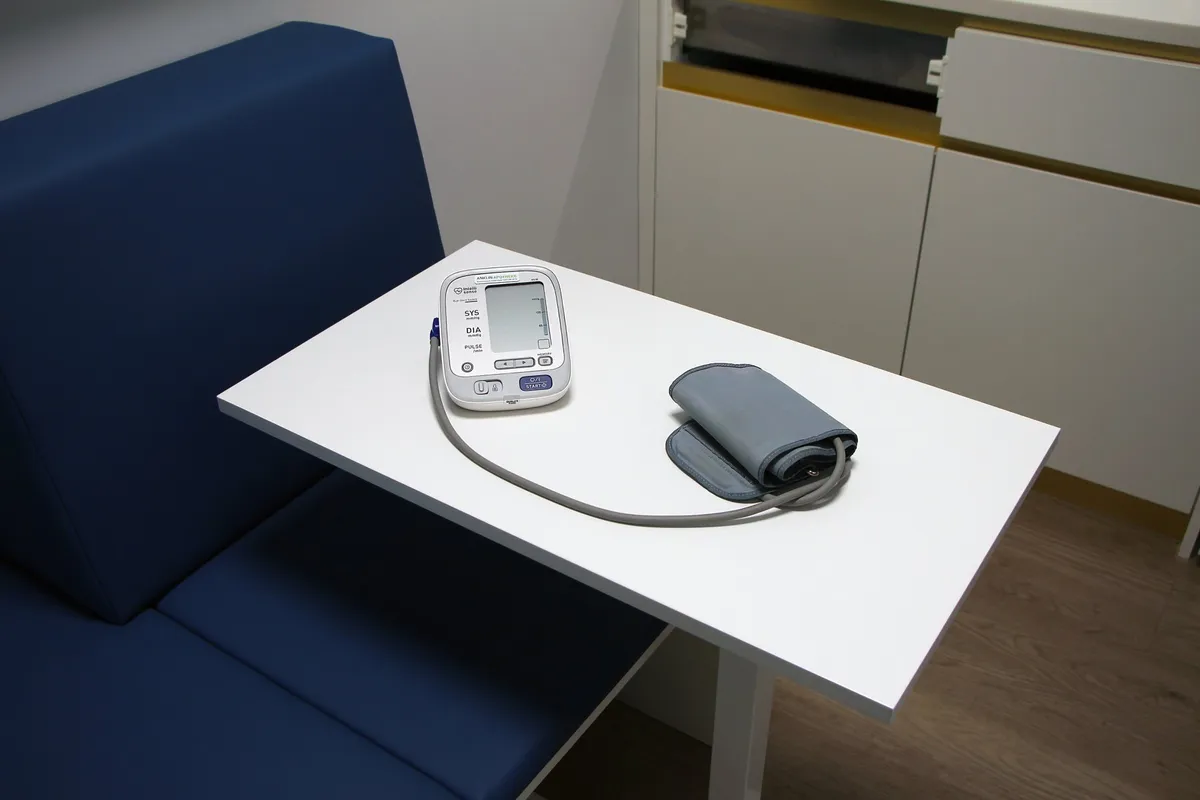
The treacherous thing about high blood pressure is not that it hurts. It is that it does not.
Tamara Ringger · 8 min read
Both start with a sore throat and both feel wretched. But the difference decides what helps and how long it lasts.
Tamara Ringger · 7 min read
Electrolyte powder, a medication list with the names of the active ingredients, and four weeks' lead time for vaccinations. Three things missing from most travel kits.
Tamara Ringger · 7 min readShall we take this on for you?
How signing up works and what it costs is on the blister packing page.